Buy brenton.eu ?
We are moving the project
brenton.eu .
Are you interested in purchasing the domain
brenton.eu ?
domain@kv-gmbh.de · 0541-91531010
Buy brenton.eu ?
What commercial activities can an industrial mechanic perform?
An industrial mechanic can perform a variety of commercial activities, including repairing and maintaining industrial machinery and equipment, conducting preventative maintenance to ensure optimal performance, troubleshooting and diagnosing mechanical issues, and installing new machinery or equipment. They may also be involved in ordering and managing inventory of spare parts and supplies, as well as providing technical support and training to other staff members. Additionally, industrial mechanics may be responsible for ensuring compliance with safety regulations and standards in the workplace. **
What is the difference between industrial and commercial enterprises?
Industrial enterprises are involved in the production of goods through manufacturing, processing, or construction, while commercial enterprises are involved in the buying and selling of goods and services. Industrial enterprises typically focus on the production and supply chain of physical products, while commercial enterprises focus on the distribution and sale of those products to consumers. Industrial enterprises often require large-scale production facilities and specialized equipment, while commercial enterprises may operate through retail stores, e-commerce platforms, or other distribution channels. **


Similar search terms for Commercial
Top-Angebote
Products related to Commercial:
-
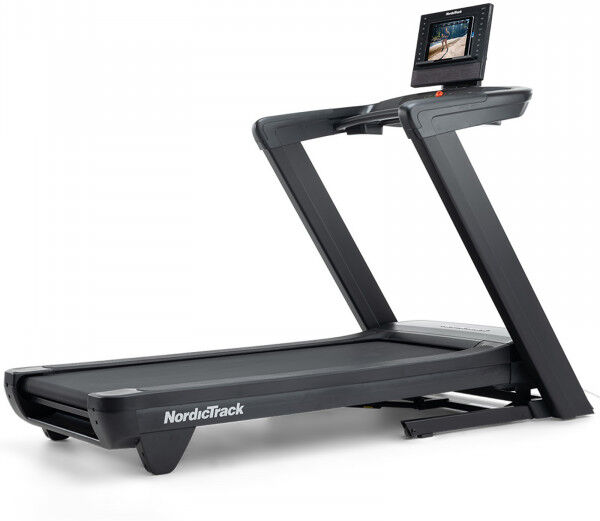
NordicTrack Commercial LE TreadmillRUN THE ROUTE, FEEL THE TERRAIN Getting results takes commitment and the right support, and that’s where the NordicTrack Commercial LE Treadmill paired with the iFIT membership shines. This isn’t just another treadmill; it’s like having a personal coach guiding you every step of the way. With...1799,00 £*Shipping: 0,00 £Secure redirect to the provider
-
NordicTrack Commercial 2450 TreadmillSPACE, POWER, AND STRUCTURE FOR HOME RUNS When you train at home, the difference shows up in how often you come back to it. The NordicTrack Commercial 2450 Treadmill is set up to support regular running sessions, with enough space, power, and flexibility to keep things interesting as your routine...2699,00 £*Shipping: 0,00 £Secure redirect to the provider
-
Commercial Chef Food DehydratorCommercial Chef Food Dehydrator w/ 5 circular trays to hydrate food. Adjustable thermostat range from 104˚F - 158˚F allows foods to dry at proper temperature. Fast, easy and healthy snacks like banana chips, fruit roll-ups, beef jerky etc.59,49 $*Shipping: 0,00 $Secure redirect to the provider
-
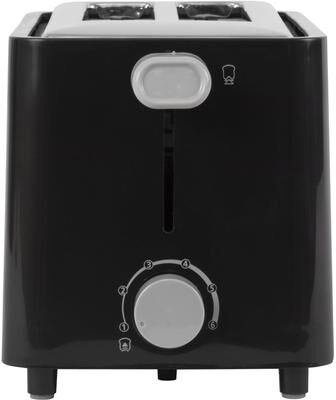
Commercial Chef CCT2201B Toaster"Commercial Chef, 2 Slice Toaster, electronic variable toast shade control, pull down crumb tray, toast cancel feature, cool-touch housing, 1.2"" wide toasting slots, 2 bread centering guides in each slot, extra-lift feature for raising breads higher in…"24,64 $*Shipping: 0,00 $Secure redirect to the provider


-
What is the difference between a commercial and an industrial property?
Commercial properties are typically used for businesses such as retail stores, restaurants, and office buildings. These properties are focused on generating income through the sale or lease of goods and services. On the other hand, industrial properties are used for manufacturing, production, or storage of goods. These properties are more focused on the production and distribution of goods rather than retail or service-based businesses. **
-
Are microjobs commercial?
Yes, microjobs are commercial in nature. They involve the exchange of goods or services for payment, which is a fundamental aspect of commercial activity. Whether it's completing small tasks, providing services, or selling products, microjobs are part of the commercial economy and contribute to the overall marketplace. Additionally, many microjob platforms are operated by commercial entities that facilitate the transactions between individuals or businesses. **
-
What is the difference between an industrial clerk and a commercial employee?
An industrial clerk typically works in the manufacturing or production sector, handling tasks such as inventory management, order processing, and logistics coordination. On the other hand, a commercial employee is usually involved in sales, customer service, marketing, and administrative tasks in a commercial or service-oriented business. While both roles involve administrative and organizational responsibilities, the specific focus and industry context differ between an industrial clerk and a commercial employee. **
-
Which professions belong to the field of industrial clerk or commercial occupations?
Professions that belong to the field of industrial clerk or commercial occupations include administrative assistants, office managers, sales representatives, customer service representatives, purchasing agents, and logistics coordinators. These professionals are responsible for various tasks such as managing administrative duties, coordinating sales and marketing activities, handling customer inquiries, managing procurement processes, and organizing the transportation and distribution of goods. They play a crucial role in the smooth operation of businesses in the industrial and commercial sectors. **

Is it allowed to build a house in an industrial/commercial area?
In many cases, it is not allowed to build a house in an industrial or commercial area. Zoning regulations typically designate specific areas for residential, industrial, and commercial use, and building a house in an industrial or commercial zone would likely violate these regulations. Additionally, industrial and commercial areas are often not suitable for residential living due to factors such as noise, pollution, and safety concerns. However, there may be some exceptions or special permits available in certain circumstances, so it is important to check with the local zoning authority before proceeding with any construction in an industrial or commercial area. **
What is the difference between commercial enterprises and industrial enterprises in accounting?
Commercial enterprises are businesses that are involved in buying and selling goods and services, while industrial enterprises are involved in the production of goods. In accounting, the main difference between the two lies in the nature of their inventory. Commercial enterprises typically have inventory of finished goods ready for sale, while industrial enterprises have inventory of raw materials, work-in-progress, and finished goods. This difference affects the way inventory is valued and accounted for in the financial statements of each type of enterprise. **
Top-Angebote
Products related to Commercial:
-
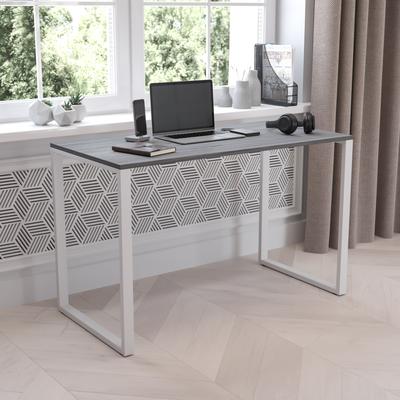
Lancaster Home "Commercial Grade Industrial Style Office Desk - 55"" Length"Whether you need a simple style computer desk to furnish your new office suite or are working from home this industrial style office desk offers plenty of tabletop work space, clean lines and an elegant modern look suitable for any professional or...206,99 $*Shipping: 0,00 $Secure redirect to the provider
-
NordicTrack Commercial LE TreadmillRUN THE ROUTE, FEEL THE TERRAIN Getting results takes commitment and the right support, and that’s where the NordicTrack Commercial LE Treadmill paired with the iFIT membership shines. This isn’t just another treadmill; it’s like having a personal coach guiding you every step of the way. With...1799,00 £*Shipping: 0,00 £Secure redirect to the provider
-
NordicTrack Commercial 2450 TreadmillSPACE, POWER, AND STRUCTURE FOR HOME RUNS When you train at home, the difference shows up in how often you come back to it. The NordicTrack Commercial 2450 Treadmill is set up to support regular running sessions, with enough space, power, and flexibility to keep things interesting as your routine...2699,00 £*Shipping: 0,00 £Secure redirect to the provider
-
What commercial activities can an industrial mechanic perform?
An industrial mechanic can perform a variety of commercial activities, including repairing and maintaining industrial machinery and equipment, conducting preventative maintenance to ensure optimal performance, troubleshooting and diagnosing mechanical issues, and installing new machinery or equipment. They may also be involved in ordering and managing inventory of spare parts and supplies, as well as providing technical support and training to other staff members. Additionally, industrial mechanics may be responsible for ensuring compliance with safety regulations and standards in the workplace. **
-
What is the difference between industrial and commercial enterprises?
Industrial enterprises are involved in the production of goods through manufacturing, processing, or construction, while commercial enterprises are involved in the buying and selling of goods and services. Industrial enterprises typically focus on the production and supply chain of physical products, while commercial enterprises focus on the distribution and sale of those products to consumers. Industrial enterprises often require large-scale production facilities and specialized equipment, while commercial enterprises may operate through retail stores, e-commerce platforms, or other distribution channels. **
-
What is the difference between a commercial and an industrial property?
Commercial properties are typically used for businesses such as retail stores, restaurants, and office buildings. These properties are focused on generating income through the sale or lease of goods and services. On the other hand, industrial properties are used for manufacturing, production, or storage of goods. These properties are more focused on the production and distribution of goods rather than retail or service-based businesses. **
-
Are microjobs commercial?
Yes, microjobs are commercial in nature. They involve the exchange of goods or services for payment, which is a fundamental aspect of commercial activity. Whether it's completing small tasks, providing services, or selling products, microjobs are part of the commercial economy and contribute to the overall marketplace. Additionally, many microjob platforms are operated by commercial entities that facilitate the transactions between individuals or businesses. **
Similar search terms for Commercial
-
Commercial Chef Food DehydratorCommercial Chef Food Dehydrator w/ 5 circular trays to hydrate food. Adjustable thermostat range from 104˚F - 158˚F allows foods to dry at proper temperature. Fast, easy and healthy snacks like banana chips, fruit roll-ups, beef jerky etc.59,49 $*Shipping: 0,00 $Secure redirect to the provider
-
Commercial Chef CCT2201B Toaster"Commercial Chef, 2 Slice Toaster, electronic variable toast shade control, pull down crumb tray, toast cancel feature, cool-touch housing, 1.2"" wide toasting slots, 2 bread centering guides in each slot, extra-lift feature for raising breads higher in…"24,64 $*Shipping: 0,00 $Secure redirect to the provider
-
Flash Furniture "Commercial Grade Industrial Style Office Desk - 47"" Length"Whether you need a simple style computer desk to furnish your new office suite or are working from home this industrial style office desk offers plenty of tabletop work space, clean lines and an elegant modern look suitable for any professional or...165,49 $*Shipping: 0,00 $Secure redirect to the provider
-
Lancaster Home Commercial Grade 55-inch Industrial Style Office DeskWhether you need a simple style computer desk to furnish your new office suite or are working from home this industrial style office desk offers plenty of tabletop work space, clean lines and an elegant modern look suitable for any professional or...302,99 $*Shipping: 0,00 $Secure redirect to the provider
-
What is the difference between an industrial clerk and a commercial employee?
An industrial clerk typically works in the manufacturing or production sector, handling tasks such as inventory management, order processing, and logistics coordination. On the other hand, a commercial employee is usually involved in sales, customer service, marketing, and administrative tasks in a commercial or service-oriented business. While both roles involve administrative and organizational responsibilities, the specific focus and industry context differ between an industrial clerk and a commercial employee. **
-
Which professions belong to the field of industrial clerk or commercial occupations?
Professions that belong to the field of industrial clerk or commercial occupations include administrative assistants, office managers, sales representatives, customer service representatives, purchasing agents, and logistics coordinators. These professionals are responsible for various tasks such as managing administrative duties, coordinating sales and marketing activities, handling customer inquiries, managing procurement processes, and organizing the transportation and distribution of goods. They play a crucial role in the smooth operation of businesses in the industrial and commercial sectors. **
-
Is it allowed to build a house in an industrial/commercial area?
In many cases, it is not allowed to build a house in an industrial or commercial area. Zoning regulations typically designate specific areas for residential, industrial, and commercial use, and building a house in an industrial or commercial zone would likely violate these regulations. Additionally, industrial and commercial areas are often not suitable for residential living due to factors such as noise, pollution, and safety concerns. However, there may be some exceptions or special permits available in certain circumstances, so it is important to check with the local zoning authority before proceeding with any construction in an industrial or commercial area. **
-
What is the difference between commercial enterprises and industrial enterprises in accounting?
Commercial enterprises are businesses that are involved in buying and selling goods and services, while industrial enterprises are involved in the production of goods. In accounting, the main difference between the two lies in the nature of their inventory. Commercial enterprises typically have inventory of finished goods ready for sale, while industrial enterprises have inventory of raw materials, work-in-progress, and finished goods. This difference affects the way inventory is valued and accounted for in the financial statements of each type of enterprise. **
* All prices are inclusive of VAT and, if applicable, plus shipping costs. The offer information is based on the details provided by the respective shop and is updated through automated processes. Real-time updates do not occur, so deviations can occur in individual cases. ** Note: Parts of this content were created by AI.