Buy brenton.eu ?
We are moving the project
brenton.eu .
Are you interested in purchasing the domain
brenton.eu ?
domain@kv-gmbh.de · 0541-91531010
Buy brenton.eu ?
What exactly are phospholipids?
Phospholipids are a class of lipids that are a major component of cell membranes. They consist of a hydrophilic (water-attracting) head and two hydrophobic (water-repelling) tails. This unique structure allows phospholipids to form a bilayer in the cell membrane, with the hydrophilic heads facing the aqueous environment inside and outside the cell, and the hydrophobic tails facing each other in the middle of the membrane. This structure provides the cell membrane with its characteristic flexibility and selective permeability. **
What properties do phospholipids possess?
Phospholipids are a class of lipids that possess both hydrophilic (water-attracting) and hydrophobic (water-repelling) properties. This dual nature allows phospholipids to form the basic structure of cell membranes, with the hydrophilic head facing the watery environment and the hydrophobic tails facing inward. This arrangement creates a barrier that separates the interior of the cell from its external environment. Additionally, phospholipids are amphipathic, meaning they have both polar and nonpolar regions, which gives them the ability to self-assemble into bilayers and vesicles. **

Similar search terms for Phospholipids
Top-Angebote
Products related to Phospholipids:
-
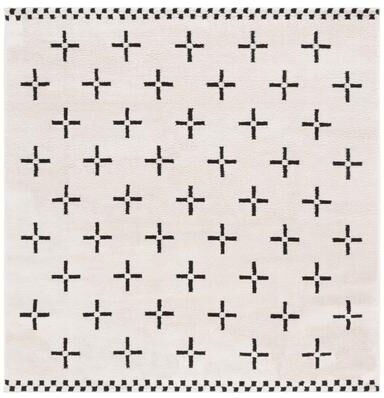
SAFAVIEH Melody Zaure Modern Scandinavian RugBrimming with minimalist Modern charm, the Melody Collection of area rugs explores plush, textured patterns in trendy, versatile hues. Made from easy-care polyester fibers, these rugs are virtually non-shedding for convenient upkeep.93,39 $*Shipping: 0,00 $Secure redirect to the provider
-
SAFAVIEH Watkins 47.2-Inch Wood Minimalist Desk, White, Scandinavian"Watkins Minimalist Desk: suspended storage unit, smooth MDF surface and x-frame trestle base The Watkins Minimalist Desk is a Scandinavian minimalist desk in white. This wood minimalist desk measures 47.2"" W x 21.6"" D x 29.5"" H."156,71 $*Shipping: 0,00 $Secure redirect to the provider
-
Uplift Essentials Wooden Dolphin Underwater Sign Minimalist 2D Coastal Wall Plaque For Modern Bedrooms & Cafes Wooden Dolphin Underwater Sign Minimalist 2D Coastal Wall Plaque For Modern Bedrooms & Cafes"Synchronize your sanctuary with the highdefinition, organic energy of our 8Inch Dolphin Underwater Theme Sign. Featuring a sophisticated ""oceanicluxe"" silhouette of leaping dolphins, this 2D masterpiece is designed to bring a ""sereneminimalist""..."34,97 $*Shipping: 0,00 $Secure redirect to the provider
-
Fusion Finds Scandinavian Shell Wall Mirror Coastal Wooden Decorative Mirror For Beach House & Bedroom Wall Decor Scandinavian Shell Wall Mirror Coastal Wooden Decorative Mirror For Beach House & Bedroom Wall DecorA beautiful home should feel calm, inviting, and uniquely yours. This coastal wall mirror blends Scandinavian simplicity with charming shellinspired details to create a stylish accent for bedrooms, living rooms, nurseries, and beachthemed spaces....53,97 $*Shipping: 0,00 $Secure redirect to the provider



-
What are the components of phospholipids?
Phospholipids are composed of a glycerol molecule, two fatty acid chains, a phosphate group, and a polar head group. The fatty acid chains are hydrophobic, meaning they repel water, while the phosphate group and polar head group are hydrophilic, meaning they attract water. This unique structure allows phospholipids to form the lipid bilayer that makes up cell membranes, with the hydrophobic tails facing inward and the hydrophilic heads facing outward towards the water. **
-
Why do phospholipids form a double layer?
Phospholipids form a double layer, known as a lipid bilayer, because of their amphipathic nature. This means that they have both hydrophilic (water-attracting) and hydrophobic (water-repelling) regions. When phospholipids are placed in an aqueous environment, the hydrophobic tails naturally orient themselves away from the water, while the hydrophilic heads interact with the water. This arrangement allows phospholipids to form a stable barrier, such as the cell membrane, with the hydrophobic tails sandwiched between two layers of hydrophilic heads. This lipid bilayer structure provides a selective barrier that controls the movement of molecules in and out of the cell. **
-
What is the difference between phospholipids and triglycerides?
Phospholipids and triglycerides are both types of lipids, but they have different structures and functions. Phospholipids have two fatty acid chains and a phosphate group, which allows them to form cell membranes and act as emulsifiers. Triglycerides, on the other hand, have three fatty acid chains and are used primarily as energy storage molecules. Additionally, triglycerides are hydrophobic, while phospholipids have both hydrophobic and hydrophilic regions, making them amphipathic molecules. **
-
Why do phospholipids have different structures in water?
Phospholipids have different structures in water because of their amphiphilic nature. This means that they have both hydrophilic (water-attracting) and hydrophobic (water-repelling) regions. In water, phospholipids arrange themselves in a bilayer with the hydrophilic heads facing the water and the hydrophobic tails facing each other. This arrangement allows phospholipids to form cell membranes and other structures that are essential for the functioning of living organisms. The different structures of phospholipids in water allow them to fulfill their roles in maintaining the integrity and function of biological membranes. **


How do phospholipids from plant and animal sources differ?
Phospholipids from plant and animal sources differ in their fatty acid composition. Plant phospholipids typically contain higher levels of unsaturated fatty acids, such as linoleic and linolenic acids, while animal phospholipids contain higher levels of saturated fatty acids, such as palmitic and stearic acids. This difference in fatty acid composition can affect the physical properties of the phospholipids, such as their fluidity and melting point. Additionally, plant phospholipids may also contain unique fatty acids, such as alpha-linolenic acid, which are not typically found in animal phospholipids. **
In the double layer of phospholipids, what fluid is present?
In the double layer of phospholipids, the fluid present is known as the lipid bilayer. This lipid bilayer is composed of two layers of phospholoids, with the hydrophilic (water-attracting) heads facing outward and the hydrophobic (water-repelling) tails facing inward. This arrangement creates a fluid and flexible barrier that surrounds the cell and regulates the movement of molecules in and out of the cell. The fluidity of the lipid bilayer allows for the dynamic movement of proteins and other molecules within the cell membrane. **
Top-Angebote
Products related to Phospholipids:
-
No Industrial Floating Pipe Wall Mounted Shelves Rustic Modern Wood ShelvingFunctional Storage Shelves:The pipes hold together five solid boards.There can be a variety of ways to set up, you could put them in a straight configuration or angled for a corner shelf.202,07 $*Shipping: 0,00 $Secure redirect to the provider
-
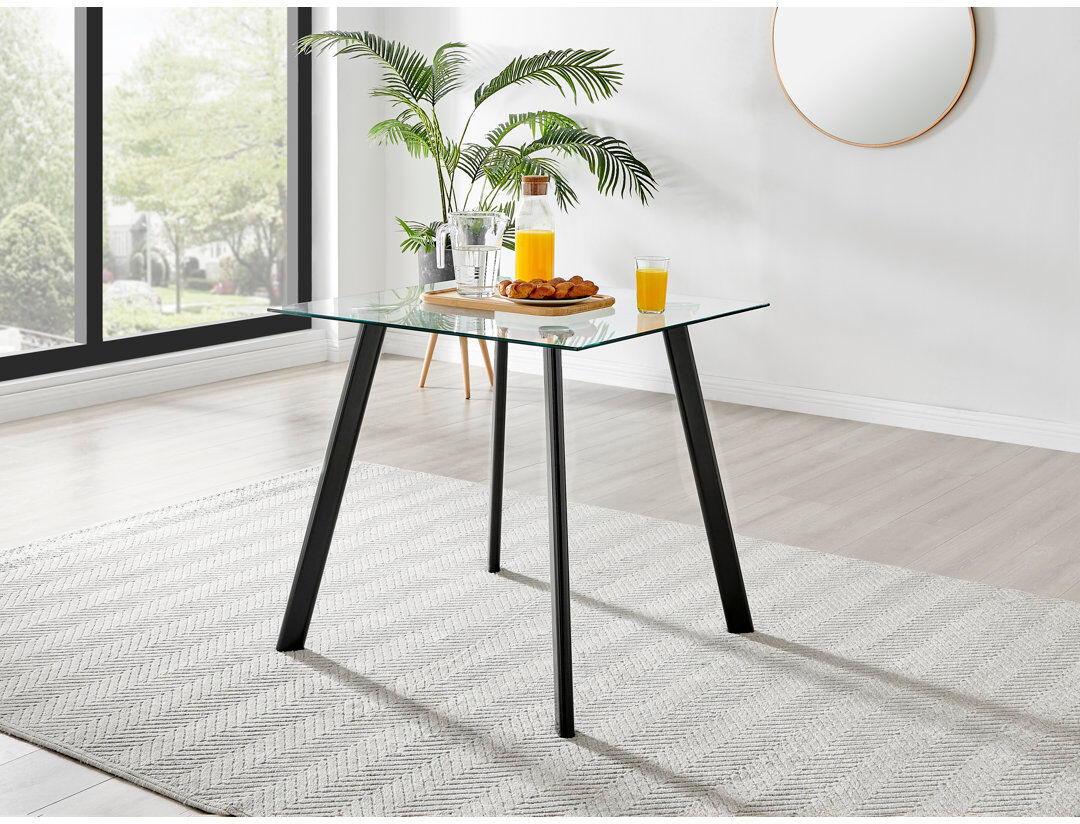
Canora Grey Scandinavian Style Glass and Metal Leg Square Dining Table - Modern Minimalist Design BlackOur Seattle square glass dining table features simple and effortless clear glass and black tapered metal legs, perfect for modern homes. This dinner table has a 8mm thick tempered glass tabletop sat on four round tapered black powder-coated metal legs. It will comfortably seat 4 so perfect for family dinners or for entertaining guests. This design is all about keeping things unfussy and light with that minimalist Industrial look and laid-back Scandinavian touch. This beautifully designed dining table will set the scene for a stylish and contemporary dining room. Want to complete the look? Shop our range of on-trend dining room furniture and gorgeous dining chairs! Canora Grey Table Base Colour: Black98,00 £*Shipping: 0,00 £Secure redirect to the provider
-
SAFAVIEH Melody Zaure Modern Scandinavian RugBrimming with minimalist Modern charm, the Melody Collection of area rugs explores plush, textured patterns in trendy, versatile hues. Made from easy-care polyester fibers, these rugs are virtually non-shedding for convenient upkeep.93,39 $*Shipping: 0,00 $Secure redirect to the provider
-
SAFAVIEH Watkins 47.2-Inch Wood Minimalist Desk, White, Scandinavian"Watkins Minimalist Desk: suspended storage unit, smooth MDF surface and x-frame trestle base The Watkins Minimalist Desk is a Scandinavian minimalist desk in white. This wood minimalist desk measures 47.2"" W x 21.6"" D x 29.5"" H."156,71 $*Shipping: 0,00 $Secure redirect to the provider
-
What exactly are phospholipids?
Phospholipids are a class of lipids that are a major component of cell membranes. They consist of a hydrophilic (water-attracting) head and two hydrophobic (water-repelling) tails. This unique structure allows phospholipids to form a bilayer in the cell membrane, with the hydrophilic heads facing the aqueous environment inside and outside the cell, and the hydrophobic tails facing each other in the middle of the membrane. This structure provides the cell membrane with its characteristic flexibility and selective permeability. **
-
What properties do phospholipids possess?
Phospholipids are a class of lipids that possess both hydrophilic (water-attracting) and hydrophobic (water-repelling) properties. This dual nature allows phospholipids to form the basic structure of cell membranes, with the hydrophilic head facing the watery environment and the hydrophobic tails facing inward. This arrangement creates a barrier that separates the interior of the cell from its external environment. Additionally, phospholipids are amphipathic, meaning they have both polar and nonpolar regions, which gives them the ability to self-assemble into bilayers and vesicles. **
-
What are the components of phospholipids?
Phospholipids are composed of a glycerol molecule, two fatty acid chains, a phosphate group, and a polar head group. The fatty acid chains are hydrophobic, meaning they repel water, while the phosphate group and polar head group are hydrophilic, meaning they attract water. This unique structure allows phospholipids to form the lipid bilayer that makes up cell membranes, with the hydrophobic tails facing inward and the hydrophilic heads facing outward towards the water. **
-
Why do phospholipids form a double layer?
Phospholipids form a double layer, known as a lipid bilayer, because of their amphipathic nature. This means that they have both hydrophilic (water-attracting) and hydrophobic (water-repelling) regions. When phospholipids are placed in an aqueous environment, the hydrophobic tails naturally orient themselves away from the water, while the hydrophilic heads interact with the water. This arrangement allows phospholipids to form a stable barrier, such as the cell membrane, with the hydrophobic tails sandwiched between two layers of hydrophilic heads. This lipid bilayer structure provides a selective barrier that controls the movement of molecules in and out of the cell. **
Similar search terms for Phospholipids
-
Uplift Essentials Wooden Dolphin Underwater Sign Minimalist 2D Coastal Wall Plaque For Modern Bedrooms & Cafes Wooden Dolphin Underwater Sign Minimalist 2D Coastal Wall Plaque For Modern Bedrooms & Cafes"Synchronize your sanctuary with the highdefinition, organic energy of our 8Inch Dolphin Underwater Theme Sign. Featuring a sophisticated ""oceanicluxe"" silhouette of leaping dolphins, this 2D masterpiece is designed to bring a ""sereneminimalist""..."34,97 $*Shipping: 0,00 $Secure redirect to the provider
-
Fusion Finds Scandinavian Shell Wall Mirror Coastal Wooden Decorative Mirror For Beach House & Bedroom Wall Decor Scandinavian Shell Wall Mirror Coastal Wooden Decorative Mirror For Beach House & Bedroom Wall DecorA beautiful home should feel calm, inviting, and uniquely yours. This coastal wall mirror blends Scandinavian simplicity with charming shellinspired details to create a stylish accent for bedrooms, living rooms, nurseries, and beachthemed spaces....53,97 $*Shipping: 0,00 $Secure redirect to the provider
-
SAFAVIEH Brenton 50 x 60 Inch Cotton Throw, Blue and White"Brenton Throw: woven cotton construction, substantial weight and drape and striped pattern and fringe The Brenton Throw is a bohemian throw in blue / white. This cotton throw measures 50"" W x 60"" L."64,56 $*Shipping: 0,00 $Secure redirect to the provider
-
Uplift Essentials Atmospheric RGB Corner Floor Lamp Modern Scandinavian Ambient Lighting Atmospheric RGB Corner Floor Lamp Modern Scandinavian Ambient LightingTransform your living space into a sanctuary of style and color. Whether you are looking to set the mood for a relaxing evening, create a vibrant gaming setup, or add a touch of modern elegance to your bedroom, this RGB Floor Lamp is the ultimate...74,97 $*Shipping: 0,00 $Secure redirect to the provider
-
What is the difference between phospholipids and triglycerides?
Phospholipids and triglycerides are both types of lipids, but they have different structures and functions. Phospholipids have two fatty acid chains and a phosphate group, which allows them to form cell membranes and act as emulsifiers. Triglycerides, on the other hand, have three fatty acid chains and are used primarily as energy storage molecules. Additionally, triglycerides are hydrophobic, while phospholipids have both hydrophobic and hydrophilic regions, making them amphipathic molecules. **
-
Why do phospholipids have different structures in water?
Phospholipids have different structures in water because of their amphiphilic nature. This means that they have both hydrophilic (water-attracting) and hydrophobic (water-repelling) regions. In water, phospholipids arrange themselves in a bilayer with the hydrophilic heads facing the water and the hydrophobic tails facing each other. This arrangement allows phospholipids to form cell membranes and other structures that are essential for the functioning of living organisms. The different structures of phospholipids in water allow them to fulfill their roles in maintaining the integrity and function of biological membranes. **
-
How do phospholipids from plant and animal sources differ?
Phospholipids from plant and animal sources differ in their fatty acid composition. Plant phospholipids typically contain higher levels of unsaturated fatty acids, such as linoleic and linolenic acids, while animal phospholipids contain higher levels of saturated fatty acids, such as palmitic and stearic acids. This difference in fatty acid composition can affect the physical properties of the phospholipids, such as their fluidity and melting point. Additionally, plant phospholipids may also contain unique fatty acids, such as alpha-linolenic acid, which are not typically found in animal phospholipids. **
-
In the double layer of phospholipids, what fluid is present?
In the double layer of phospholipids, the fluid present is known as the lipid bilayer. This lipid bilayer is composed of two layers of phospholoids, with the hydrophilic (water-attracting) heads facing outward and the hydrophobic (water-repelling) tails facing inward. This arrangement creates a fluid and flexible barrier that surrounds the cell and regulates the movement of molecules in and out of the cell. The fluidity of the lipid bilayer allows for the dynamic movement of proteins and other molecules within the cell membrane. **
* All prices are inclusive of VAT and, if applicable, plus shipping costs. The offer information is based on the details provided by the respective shop and is updated through automated processes. Real-time updates do not occur, so deviations can occur in individual cases. ** Note: Parts of this content were created by AI.