Buy brenton.eu ?
We are moving the project
brenton.eu .
Are you interested in purchasing the domain
brenton.eu ?
domain@kv-gmbh.de · 0541-91531010
Buy brenton.eu ?
How do non-homologous recombination and homologous recombination work?
Non-homologous recombination involves the joining of two DNA molecules at non-homologous sequences, resulting in the insertion, deletion, or rearrangement of genetic material. This process is often error-prone and can lead to mutations. Homologous recombination, on the other hand, involves the exchange of genetic material between two similar DNA molecules, typically occurring during meiosis. This process is important for repairing DNA damage and ensuring genetic diversity. It involves the exchange of genetic material between homologous chromosomes, resulting in the formation of new combinations of genes. **
What is the difference between interchromosomal recombination and intrachromosomal recombination?
Interchromosomal recombination involves the exchange of genetic material between two different chromosomes, while intrachromosomal recombination involves the exchange of genetic material within the same chromosome. Interchromosomal recombination can result in the creation of new combinations of genes from different chromosomes, leading to genetic diversity. In contrast, intrachromosomal recombination can lead to the repair of DNA damage or the creation of genetic variation within the same chromosome. Both processes are important for genetic diversity and evolution. **


Similar search terms for Recombination
Top-Angebote
Products related to Recombination:
-
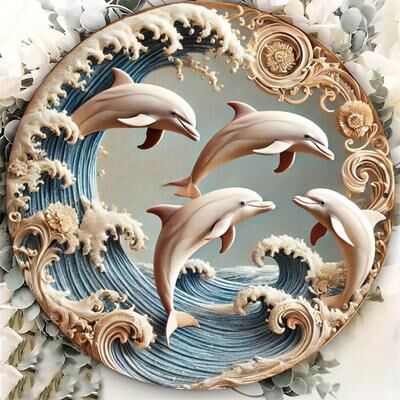
Uplift Essentials Wooden Dolphin Underwater Sign Minimalist 2D Coastal Wall Plaque For Modern Bedrooms & Cafes Wooden Dolphin Underwater Sign Minimalist 2D Coastal Wall Plaque For Modern Bedrooms & Cafes"Synchronize your sanctuary with the highdefinition, organic energy of our 8Inch Dolphin Underwater Theme Sign. Featuring a sophisticated ""oceanicluxe"" silhouette of leaping dolphins, this 2D masterpiece is designed to bring a ""sereneminimalist""..."34,97 $*Shipping: 0,00 $Secure redirect to the provider
-
SAFAVIEH Watkins 47.2-Inch Wood Minimalist Desk, White, Scandinavian"Watkins Minimalist Desk: suspended storage unit, smooth MDF surface and x-frame trestle base The Watkins Minimalist Desk is a Scandinavian minimalist desk in white. This wood minimalist desk measures 47.2"" W x 21.6"" D x 29.5"" H."149,24 $*Shipping: 0,00 $Secure redirect to the provider
-
Fusion Finds Scandinavian Shell Wall Mirror Coastal Wooden Decorative Mirror For Beach House & Bedroom Wall Decor Scandinavian Shell Wall Mirror Coastal Wooden Decorative Mirror For Beach House & Bedroom Wall DecorA beautiful home should feel calm, inviting, and uniquely yours. This coastal wall mirror blends Scandinavian simplicity with charming shellinspired details to create a stylish accent for bedrooms, living rooms, nurseries, and beachthemed spaces....53,97 $*Shipping: 0,00 $Secure redirect to the provider
-
SAFAVIEH Melody Zaure Modern Scandinavian RugBrimming with minimalist Modern charm, the Melody Collection of area rugs explores plush, textured patterns in trendy, versatile hues. Made from easy-care polyester fibers, these rugs are virtually non-shedding for convenient upkeep.88,49 $*Shipping: 0,00 $Secure redirect to the provider



-
What is the difference between intrachromosomal recombination and interchromosomal recombination?
Intrachromosomal recombination occurs between two different regions of the same chromosome, leading to the exchange of genetic material within the same chromosome. On the other hand, interchromosomal recombination involves the exchange of genetic material between two different chromosomes. Intrachromosomal recombination can lead to the creation of genetic diversity within a single chromosome, while interchromosomal recombination can result in the exchange of genetic material between different chromosomes, leading to genetic diversity among different chromosomes. **
-
What is recombination in biology?
Recombination in biology refers to the process by which genetic material from two different sources is combined to produce a new combination of genes. This can occur through sexual reproduction, where genetic material from two parents is combined to create offspring with a unique genetic makeup. Recombination plays a crucial role in generating genetic diversity within populations, which is important for evolution and adaptation to changing environments. In organisms that reproduce sexually, recombination occurs during meiosis, where homologous chromosomes exchange genetic material through a process called crossing over. **
-
How does crossing-over influence recombination?
Crossing-over is a process during meiosis where homologous chromosomes exchange genetic material. This exchange of genetic material results in new combinations of alleles on the chromosomes, leading to genetic recombination. By shuffling genetic material between homologous chromosomes, crossing-over increases genetic diversity in offspring and can result in the creation of new combinations of traits. This process is essential for generating genetic variation within a population and plays a crucial role in evolution. **
-
What is recombination and genetic variability?
Recombination is the process by which genetic material is exchanged between two similar molecules of DNA, resulting in new combinations of genes. This process occurs during meiosis, the cell division that produces gametes (sperm and egg cells). Genetic variability refers to the diversity of genetic material within a population, which is influenced by factors such as recombination, mutations, and gene flow. Recombination plays a key role in generating genetic variability by creating new combinations of genes, which can lead to increased diversity and adaptation within a population. **


How many offspring are produced through recombination?
Recombination typically results in two offspring being produced. This is because during recombination, genetic material from two parent organisms is combined to create a new individual with a unique combination of traits. This process allows for genetic diversity and variation within a population. **
When does disproportionation occur instead of recombination?
Disproportionation occurs when a single species is both oxidized and reduced in a reaction, leading to the formation of two different products with different oxidation states. This process typically occurs when the species involved can exist in multiple oxidation states and there is no suitable reactant available for recombination. In contrast, recombination occurs when two species with different oxidation states combine to form a single product with an intermediate oxidation state. **
Top-Angebote
Products related to Recombination:
-
No Industrial Floating Pipe Wall Mounted Shelves Rustic Modern Wood ShelvingFunctional Storage Shelves:The pipes hold together five solid boards.There can be a variety of ways to set up, you could put them in a straight configuration or angled for a corner shelf.211,49 $*Shipping: 0,00 $Secure redirect to the provider
-
Canora Grey Scandinavian Style Glass and Metal Leg Square Dining Table - Modern Minimalist Design BlackOur Seattle square glass dining table features simple and effortless clear glass and black tapered metal legs, perfect for modern homes. This dinner table has a 8mm thick tempered glass tabletop sat on four round tapered black powder-coated metal legs. It will comfortably seat 4 so perfect for family dinners or for entertaining guests. This design is all about keeping things unfussy and light with that minimalist Industrial look and laid-back Scandinavian touch. This beautifully designed dining table will set the scene for a stylish and contemporary dining room. Want to complete the look? Shop our range of on-trend dining room furniture and gorgeous dining chairs! Canora Grey Table Base Colour: Black98,00 £*Shipping: 0,00 £Secure redirect to the provider
-
Uplift Essentials Wooden Dolphin Underwater Sign Minimalist 2D Coastal Wall Plaque For Modern Bedrooms & Cafes Wooden Dolphin Underwater Sign Minimalist 2D Coastal Wall Plaque For Modern Bedrooms & Cafes"Synchronize your sanctuary with the highdefinition, organic energy of our 8Inch Dolphin Underwater Theme Sign. Featuring a sophisticated ""oceanicluxe"" silhouette of leaping dolphins, this 2D masterpiece is designed to bring a ""sereneminimalist""..."34,97 $*Shipping: 0,00 $Secure redirect to the provider
-
SAFAVIEH Watkins 47.2-Inch Wood Minimalist Desk, White, Scandinavian"Watkins Minimalist Desk: suspended storage unit, smooth MDF surface and x-frame trestle base The Watkins Minimalist Desk is a Scandinavian minimalist desk in white. This wood minimalist desk measures 47.2"" W x 21.6"" D x 29.5"" H."149,24 $*Shipping: 0,00 $Secure redirect to the provider
-
How do non-homologous recombination and homologous recombination work?
Non-homologous recombination involves the joining of two DNA molecules at non-homologous sequences, resulting in the insertion, deletion, or rearrangement of genetic material. This process is often error-prone and can lead to mutations. Homologous recombination, on the other hand, involves the exchange of genetic material between two similar DNA molecules, typically occurring during meiosis. This process is important for repairing DNA damage and ensuring genetic diversity. It involves the exchange of genetic material between homologous chromosomes, resulting in the formation of new combinations of genes. **
-
What is the difference between interchromosomal recombination and intrachromosomal recombination?
Interchromosomal recombination involves the exchange of genetic material between two different chromosomes, while intrachromosomal recombination involves the exchange of genetic material within the same chromosome. Interchromosomal recombination can result in the creation of new combinations of genes from different chromosomes, leading to genetic diversity. In contrast, intrachromosomal recombination can lead to the repair of DNA damage or the creation of genetic variation within the same chromosome. Both processes are important for genetic diversity and evolution. **
-
What is the difference between intrachromosomal recombination and interchromosomal recombination?
Intrachromosomal recombination occurs between two different regions of the same chromosome, leading to the exchange of genetic material within the same chromosome. On the other hand, interchromosomal recombination involves the exchange of genetic material between two different chromosomes. Intrachromosomal recombination can lead to the creation of genetic diversity within a single chromosome, while interchromosomal recombination can result in the exchange of genetic material between different chromosomes, leading to genetic diversity among different chromosomes. **
-
What is recombination in biology?
Recombination in biology refers to the process by which genetic material from two different sources is combined to produce a new combination of genes. This can occur through sexual reproduction, where genetic material from two parents is combined to create offspring with a unique genetic makeup. Recombination plays a crucial role in generating genetic diversity within populations, which is important for evolution and adaptation to changing environments. In organisms that reproduce sexually, recombination occurs during meiosis, where homologous chromosomes exchange genetic material through a process called crossing over. **
Similar search terms for Recombination
-
Fusion Finds Scandinavian Shell Wall Mirror Coastal Wooden Decorative Mirror For Beach House & Bedroom Wall Decor Scandinavian Shell Wall Mirror Coastal Wooden Decorative Mirror For Beach House & Bedroom Wall DecorA beautiful home should feel calm, inviting, and uniquely yours. This coastal wall mirror blends Scandinavian simplicity with charming shellinspired details to create a stylish accent for bedrooms, living rooms, nurseries, and beachthemed spaces....53,97 $*Shipping: 0,00 $Secure redirect to the provider
-
SAFAVIEH Melody Zaure Modern Scandinavian RugBrimming with minimalist Modern charm, the Melody Collection of area rugs explores plush, textured patterns in trendy, versatile hues. Made from easy-care polyester fibers, these rugs are virtually non-shedding for convenient upkeep.88,49 $*Shipping: 0,00 $Secure redirect to the provider
-
No Industrial Floating Pipe Wall Mounted Shelves Rustic Modern Wood ShelvingFunctional Storage Shelves:The pipes hold together five solid boards.There can be a variety of ways to set up, you could put them in a straight configuration or angled for a corner shelf.207,49 $*Shipping: 0,00 $Secure redirect to the provider
-
How does crossing-over influence recombination?
Crossing-over is a process during meiosis where homologous chromosomes exchange genetic material. This exchange of genetic material results in new combinations of alleles on the chromosomes, leading to genetic recombination. By shuffling genetic material between homologous chromosomes, crossing-over increases genetic diversity in offspring and can result in the creation of new combinations of traits. This process is essential for generating genetic variation within a population and plays a crucial role in evolution. **
-
What is recombination and genetic variability?
Recombination is the process by which genetic material is exchanged between two similar molecules of DNA, resulting in new combinations of genes. This process occurs during meiosis, the cell division that produces gametes (sperm and egg cells). Genetic variability refers to the diversity of genetic material within a population, which is influenced by factors such as recombination, mutations, and gene flow. Recombination plays a key role in generating genetic variability by creating new combinations of genes, which can lead to increased diversity and adaptation within a population. **
-
How many offspring are produced through recombination?
Recombination typically results in two offspring being produced. This is because during recombination, genetic material from two parent organisms is combined to create a new individual with a unique combination of traits. This process allows for genetic diversity and variation within a population. **
-
When does disproportionation occur instead of recombination?
Disproportionation occurs when a single species is both oxidized and reduced in a reaction, leading to the formation of two different products with different oxidation states. This process typically occurs when the species involved can exist in multiple oxidation states and there is no suitable reactant available for recombination. In contrast, recombination occurs when two species with different oxidation states combine to form a single product with an intermediate oxidation state. **
* All prices are inclusive of VAT and, if applicable, plus shipping costs. The offer information is based on the details provided by the respective shop and is updated through automated processes. Real-time updates do not occur, so deviations can occur in individual cases. ** Note: Parts of this content were created by AI.