Buy brenton.eu ?
We are moving the project
brenton.eu .
Are you interested in purchasing the domain
brenton.eu ?
domain@kv-gmbh.de · 0541-91531010
Buy brenton.eu ?
What are trophic levels and trophic structures?
Trophic levels refer to the hierarchical levels in an ecosystem through which energy and nutrients flow. They represent the feeding positions of different organisms in a food chain or food web. Trophic structures, on the other hand, describe the organization of these trophic levels within an ecosystem. This includes the distribution of energy and nutrients among different organisms, as well as the interactions and relationships between them. Overall, trophic levels and trophic structures are important concepts for understanding the flow of energy and nutrients in ecosystems and the dynamics of food chains and food webs. **
Are trophic levels and trophic levels the same in biology?
No, trophic levels and trophic levels are not the same in biology. Trophic levels refer to the hierarchical levels in an ecosystem based on an organism's position in the food chain, such as producers, primary consumers, secondary consumers, etc. On the other hand, trophic cascades are the indirect effects that occur when a change in one trophic level impacts other trophic levels in the ecosystem. Both concepts are important in understanding the dynamics of energy flow and interactions within ecosystems. **
Similar search terms for Trophic
Top-Angebote
Products related to Trophic:
-
Fusion Finds Scandinavian Shell Wall Mirror Coastal Wooden Decorative Mirror For Beach House & Bedroom Wall Decor Scandinavian Shell Wall Mirror Coastal Wooden Decorative Mirror For Beach House & Bedroom Wall DecorA beautiful home should feel calm, inviting, and uniquely yours. This coastal wall mirror blends Scandinavian simplicity with charming shellinspired details to create a stylish accent for bedrooms, living rooms, nurseries, and beachthemed spaces....53,97 $*Shipping: 0,00 $Secure redirect to the provider
-
SAFAVIEH Watkins 47.2-Inch Wood Minimalist Desk, White, Scandinavian"Watkins Minimalist Desk: suspended storage unit, smooth MDF surface and x-frame trestle base The Watkins Minimalist Desk is a Scandinavian minimalist desk in white. This wood minimalist desk measures 47.2"" W x 21.6"" D x 29.5"" H."156,71 $*Shipping: 0,00 $Secure redirect to the provider
-
SAFAVIEH Melody Zaure Modern Scandinavian RugBrimming with minimalist Modern charm, the Melody Collection of area rugs explores plush, textured patterns in trendy, versatile hues. Made from easy-care polyester fibers, these rugs are virtually non-shedding for convenient upkeep.34,67 $*Shipping: 0,00 $Secure redirect to the provider
-
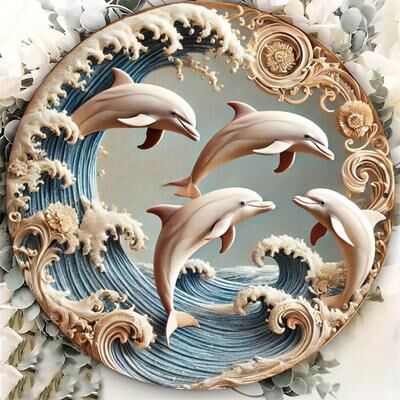
Uplift Essentials Wooden Dolphin Underwater Sign Minimalist 2D Coastal Wall Plaque For Modern Bedrooms & Cafes Wooden Dolphin Underwater Sign Minimalist 2D Coastal Wall Plaque For Modern Bedrooms & Cafes"Synchronize your sanctuary with the highdefinition, organic energy of our 8Inch Dolphin Underwater Theme Sign. Featuring a sophisticated ""oceanicluxe"" silhouette of leaping dolphins, this 2D masterpiece is designed to bring a ""sereneminimalist""..."34,97 $*Shipping: 0,00 $Secure redirect to the provider



-
Are trophic levels and trophic levels the same thing in biology?
No, "trophic levels" and "trophic levels" are not the same thing in biology. "Trophic levels" refer to the hierarchical levels in an ecosystem based on an organism's position in the food chain, such as producers, primary consumers, secondary consumers, and so on. On the other hand, "trophic levels" appears to be a typographical error or a repetition of the term "trophic levels." In biology, it is important to use accurate and specific terminology to avoid confusion and miscommunication. **
-
Why do organisms become larger from trophic level to trophic level?
Organisms become larger from trophic level to trophic level due to the efficiency of energy transfer in ecosystems. As energy is transferred from one trophic level to the next, there is a loss of energy in the form of heat and metabolic processes. Larger organisms are able to consume more energy-rich food sources and have a more efficient metabolism, allowing them to grow in size as they move up the food chain. Additionally, larger organisms are better equipped to capture and consume prey, giving them a competitive advantage in obtaining energy and resources. **
-
Why do organisms get larger from trophic level to trophic level?
Organisms tend to get larger from one trophic level to the next because as energy is transferred up the food chain, there is a loss of energy at each level. This means that organisms at higher trophic levels need to consume larger quantities of organisms from lower trophic levels to obtain enough energy to sustain themselves. Additionally, larger organisms are more efficient at capturing and consuming prey, allowing them to thrive at higher trophic levels. Finally, larger organisms have a lower surface area to volume ratio, which helps them retain heat and energy more effectively. **
-
Why does the biomass decrease from trophic level to trophic level?
Biomass decreases from trophic level to trophic level because energy is lost as it moves through the food chain. Organisms at each trophic level use some of the energy they consume for their own metabolic processes, such as respiration and movement, and the rest is lost as heat. This means that there is less energy available to be passed on to the next trophic level, resulting in a decrease in biomass. Additionally, not all of the energy from one trophic level is consumed by the next level, as some is lost through waste and uneaten parts of organisms. **


What are trophic levels in biology?
Trophic levels in biology refer to the hierarchical levels in an ecosystem where organisms are grouped based on their feeding relationships. The primary producers, such as plants, are at the base of the trophic levels as they convert sunlight into energy through photosynthesis. Herbivores that feed on plants are at the next level, followed by carnivores that eat herbivores. Each trophic level represents a transfer of energy and nutrients through the ecosystem, with energy decreasing as it moves up the levels. **
What is the trophic level of omnivores?
Omnivores are organisms that consume both plants and animals, so their trophic level can vary. When they consume plants, they are considered primary consumers (herbivores) and when they consume animals, they are considered secondary consumers (carnivores). This means that omnivores can occupy multiple trophic levels within a food web, depending on their diet. **
Top-Angebote
Products related to Trophic:
-
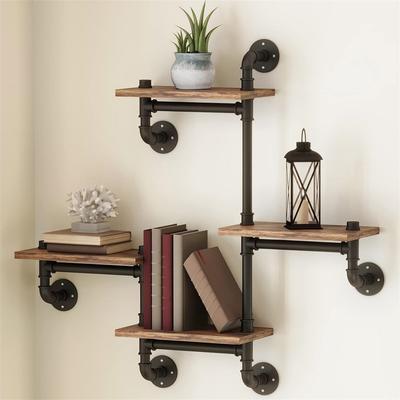
No Industrial Floating Pipe Wall Mounted Shelves Rustic Modern Wood ShelvingFunctional Storage Shelves:The pipes hold together five solid boards.There can be a variety of ways to set up, you could put them in a straight configuration or angled for a corner shelf.203,41 $*Shipping: 0,00 $Secure redirect to the provider
-
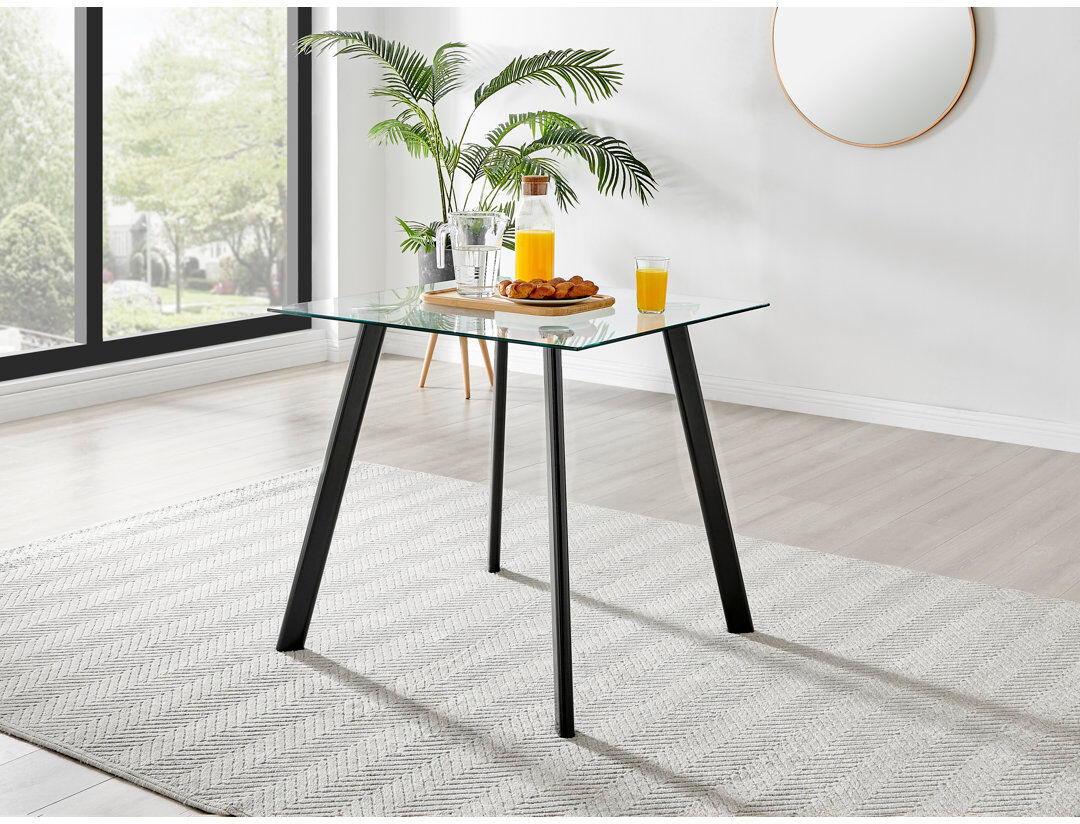
Canora Grey Scandinavian Style Glass and Metal Leg Square Dining Table - Modern Minimalist Design BlackOur Seattle square glass dining table features simple and effortless clear glass and black tapered metal legs, perfect for modern homes. This dinner table has a 8mm thick tempered glass tabletop sat on four round tapered black powder-coated metal legs. It will comfortably seat 4 so perfect for family dinners or for entertaining guests. This design is all about keeping things unfussy and light with that minimalist Industrial look and laid-back Scandinavian touch. This beautifully designed dining table will set the scene for a stylish and contemporary dining room. Want to complete the look? Shop our range of on-trend dining room furniture and gorgeous dining chairs! Canora Grey Table Base Colour: Black98,00 £*Shipping: 0,00 £Secure redirect to the provider
-
Fusion Finds Scandinavian Shell Wall Mirror Coastal Wooden Decorative Mirror For Beach House & Bedroom Wall Decor Scandinavian Shell Wall Mirror Coastal Wooden Decorative Mirror For Beach House & Bedroom Wall DecorA beautiful home should feel calm, inviting, and uniquely yours. This coastal wall mirror blends Scandinavian simplicity with charming shellinspired details to create a stylish accent for bedrooms, living rooms, nurseries, and beachthemed spaces....53,97 $*Shipping: 0,00 $Secure redirect to the provider
-
SAFAVIEH Watkins 47.2-Inch Wood Minimalist Desk, White, Scandinavian"Watkins Minimalist Desk: suspended storage unit, smooth MDF surface and x-frame trestle base The Watkins Minimalist Desk is a Scandinavian minimalist desk in white. This wood minimalist desk measures 47.2"" W x 21.6"" D x 29.5"" H."156,71 $*Shipping: 0,00 $Secure redirect to the provider
-
What are trophic levels and trophic structures?
Trophic levels refer to the hierarchical levels in an ecosystem through which energy and nutrients flow. They represent the feeding positions of different organisms in a food chain or food web. Trophic structures, on the other hand, describe the organization of these trophic levels within an ecosystem. This includes the distribution of energy and nutrients among different organisms, as well as the interactions and relationships between them. Overall, trophic levels and trophic structures are important concepts for understanding the flow of energy and nutrients in ecosystems and the dynamics of food chains and food webs. **
-
Are trophic levels and trophic levels the same in biology?
No, trophic levels and trophic levels are not the same in biology. Trophic levels refer to the hierarchical levels in an ecosystem based on an organism's position in the food chain, such as producers, primary consumers, secondary consumers, etc. On the other hand, trophic cascades are the indirect effects that occur when a change in one trophic level impacts other trophic levels in the ecosystem. Both concepts are important in understanding the dynamics of energy flow and interactions within ecosystems. **
-
Are trophic levels and trophic levels the same thing in biology?
No, "trophic levels" and "trophic levels" are not the same thing in biology. "Trophic levels" refer to the hierarchical levels in an ecosystem based on an organism's position in the food chain, such as producers, primary consumers, secondary consumers, and so on. On the other hand, "trophic levels" appears to be a typographical error or a repetition of the term "trophic levels." In biology, it is important to use accurate and specific terminology to avoid confusion and miscommunication. **
-
Why do organisms become larger from trophic level to trophic level?
Organisms become larger from trophic level to trophic level due to the efficiency of energy transfer in ecosystems. As energy is transferred from one trophic level to the next, there is a loss of energy in the form of heat and metabolic processes. Larger organisms are able to consume more energy-rich food sources and have a more efficient metabolism, allowing them to grow in size as they move up the food chain. Additionally, larger organisms are better equipped to capture and consume prey, giving them a competitive advantage in obtaining energy and resources. **
Similar search terms for Trophic
-
SAFAVIEH Melody Zaure Modern Scandinavian RugBrimming with minimalist Modern charm, the Melody Collection of area rugs explores plush, textured patterns in trendy, versatile hues. Made from easy-care polyester fibers, these rugs are virtually non-shedding for convenient upkeep.34,67 $*Shipping: 0,00 $Secure redirect to the provider
-
Uplift Essentials Wooden Dolphin Underwater Sign Minimalist 2D Coastal Wall Plaque For Modern Bedrooms & Cafes Wooden Dolphin Underwater Sign Minimalist 2D Coastal Wall Plaque For Modern Bedrooms & Cafes"Synchronize your sanctuary with the highdefinition, organic energy of our 8Inch Dolphin Underwater Theme Sign. Featuring a sophisticated ""oceanicluxe"" silhouette of leaping dolphins, this 2D masterpiece is designed to bring a ""sereneminimalist""..."34,97 $*Shipping: 0,00 $Secure redirect to the provider
-
Uplift Essentials Atmospheric RGB Corner Floor Lamp Modern Scandinavian Ambient Lighting Atmospheric RGB Corner Floor Lamp Modern Scandinavian Ambient LightingTransform your living space into a sanctuary of style and color. Whether you are looking to set the mood for a relaxing evening, create a vibrant gaming setup, or add a touch of modern elegance to your bedroom, this RGB Floor Lamp is the ultimate...74,97 $*Shipping: 0,00 $Secure redirect to the provider
-
No Industrial Floating Pipe Wall Mounted Shelves Rustic Modern Wood ShelvingFunctional Storage Shelves:The pipes hold together five solid boards.There can be a variety of ways to set up, you could put them in a straight configuration or angled for a corner shelf.198,72 $*Shipping: 0,00 $Secure redirect to the provider
-
Why do organisms get larger from trophic level to trophic level?
Organisms tend to get larger from one trophic level to the next because as energy is transferred up the food chain, there is a loss of energy at each level. This means that organisms at higher trophic levels need to consume larger quantities of organisms from lower trophic levels to obtain enough energy to sustain themselves. Additionally, larger organisms are more efficient at capturing and consuming prey, allowing them to thrive at higher trophic levels. Finally, larger organisms have a lower surface area to volume ratio, which helps them retain heat and energy more effectively. **
-
Why does the biomass decrease from trophic level to trophic level?
Biomass decreases from trophic level to trophic level because energy is lost as it moves through the food chain. Organisms at each trophic level use some of the energy they consume for their own metabolic processes, such as respiration and movement, and the rest is lost as heat. This means that there is less energy available to be passed on to the next trophic level, resulting in a decrease in biomass. Additionally, not all of the energy from one trophic level is consumed by the next level, as some is lost through waste and uneaten parts of organisms. **
-
What are trophic levels in biology?
Trophic levels in biology refer to the hierarchical levels in an ecosystem where organisms are grouped based on their feeding relationships. The primary producers, such as plants, are at the base of the trophic levels as they convert sunlight into energy through photosynthesis. Herbivores that feed on plants are at the next level, followed by carnivores that eat herbivores. Each trophic level represents a transfer of energy and nutrients through the ecosystem, with energy decreasing as it moves up the levels. **
-
What is the trophic level of omnivores?
Omnivores are organisms that consume both plants and animals, so their trophic level can vary. When they consume plants, they are considered primary consumers (herbivores) and when they consume animals, they are considered secondary consumers (carnivores). This means that omnivores can occupy multiple trophic levels within a food web, depending on their diet. **
* All prices are inclusive of VAT and, if applicable, plus shipping costs. The offer information is based on the details provided by the respective shop and is updated through automated processes. Real-time updates do not occur, so deviations can occur in individual cases. ** Note: Parts of this content were created by AI.